“Review the need before you remove the cost.” A growing bill does not mean every tool should go. Some services help people do useful work, while others no longer match what the business needs. The problem is knowing the difference. This guide gives ten practical ways to reduce business spending using records and checks. An organized review helps you find waste, keep essential services and confirm whether a change actually reduced the cost.
Start with clarity: methods one to three
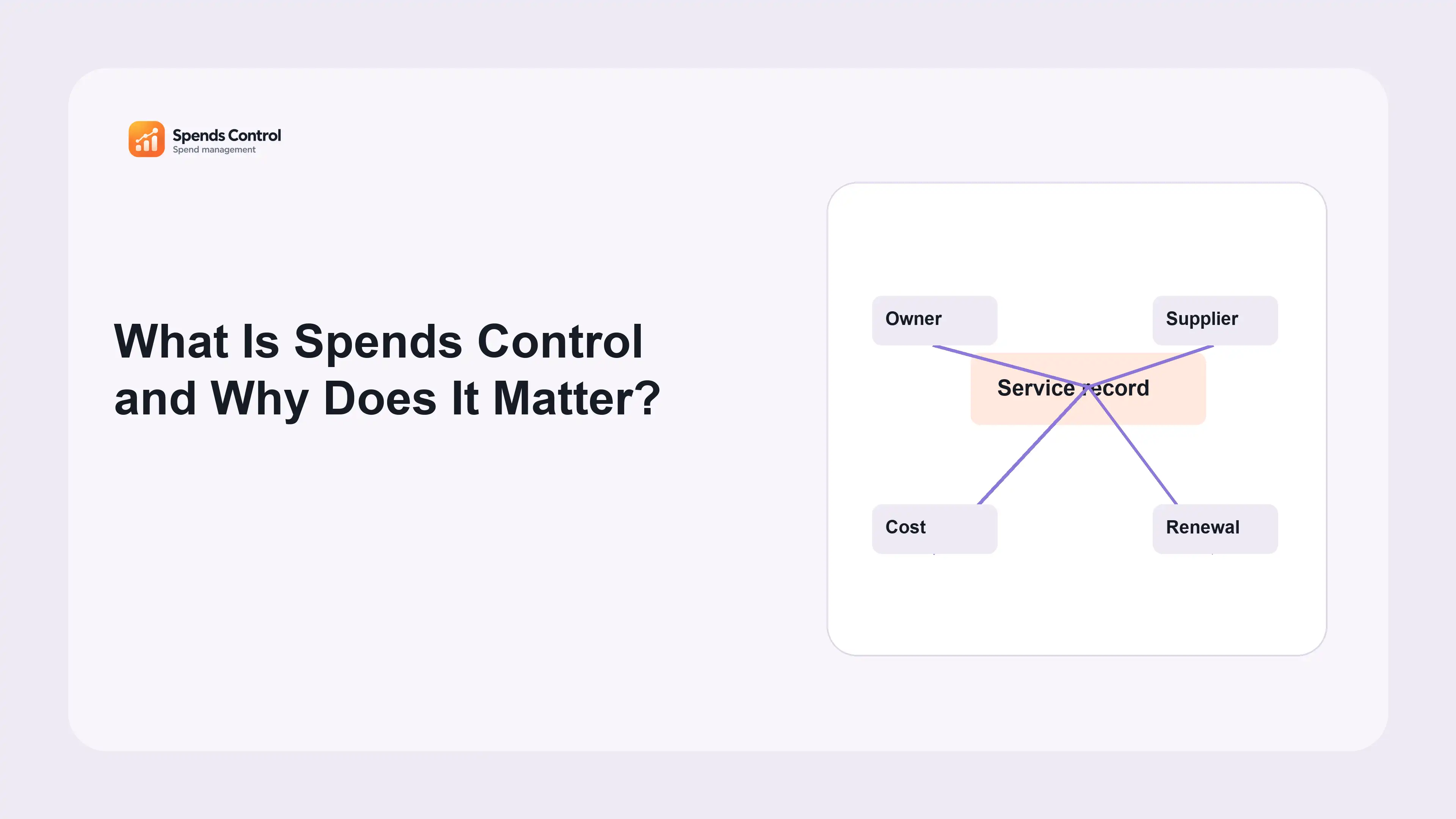
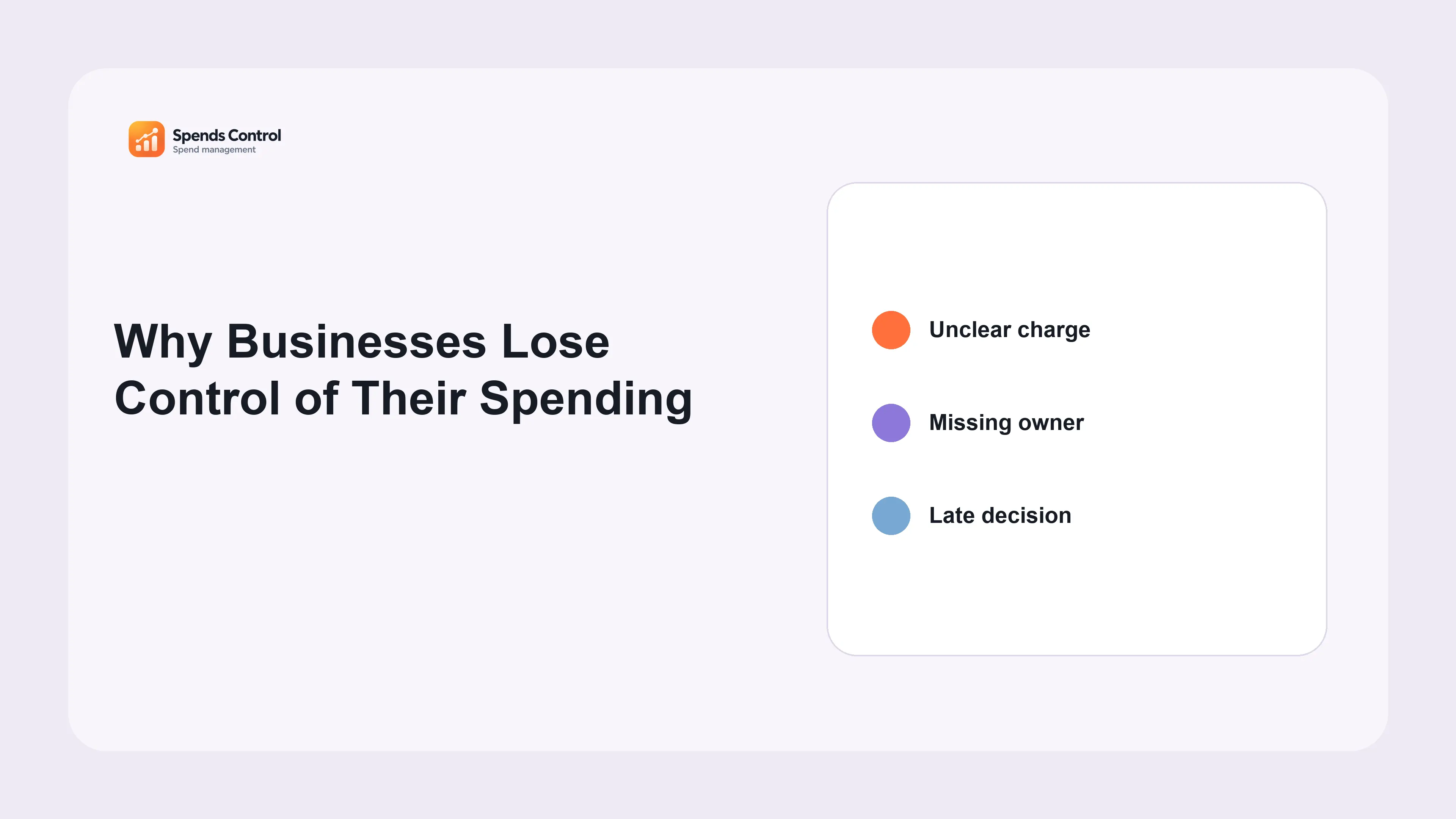
### 1. Explain unidentified charges Investigate transactions that do not clearly identify a service. Check the supplier, date, amount and source, then ask the relevant service owner what the charge covers. An unexplained expense may be valid, duplicated or incorrectly classified. Establish the facts before assuming it should disappear from the business.
We recommend starting with clear records and a simple routine. ### 2. Review ownership gaps Look for subscriptions maintained by former colleagues or services with no active owner. Assign someone to confirm purpose, access and work that relies on it. Ownerless does not mean unused: a tool may support an automated workflow. The immediate improvement is accountable review, followed by an informed purchase decision.
3. Compare billing against the agreement
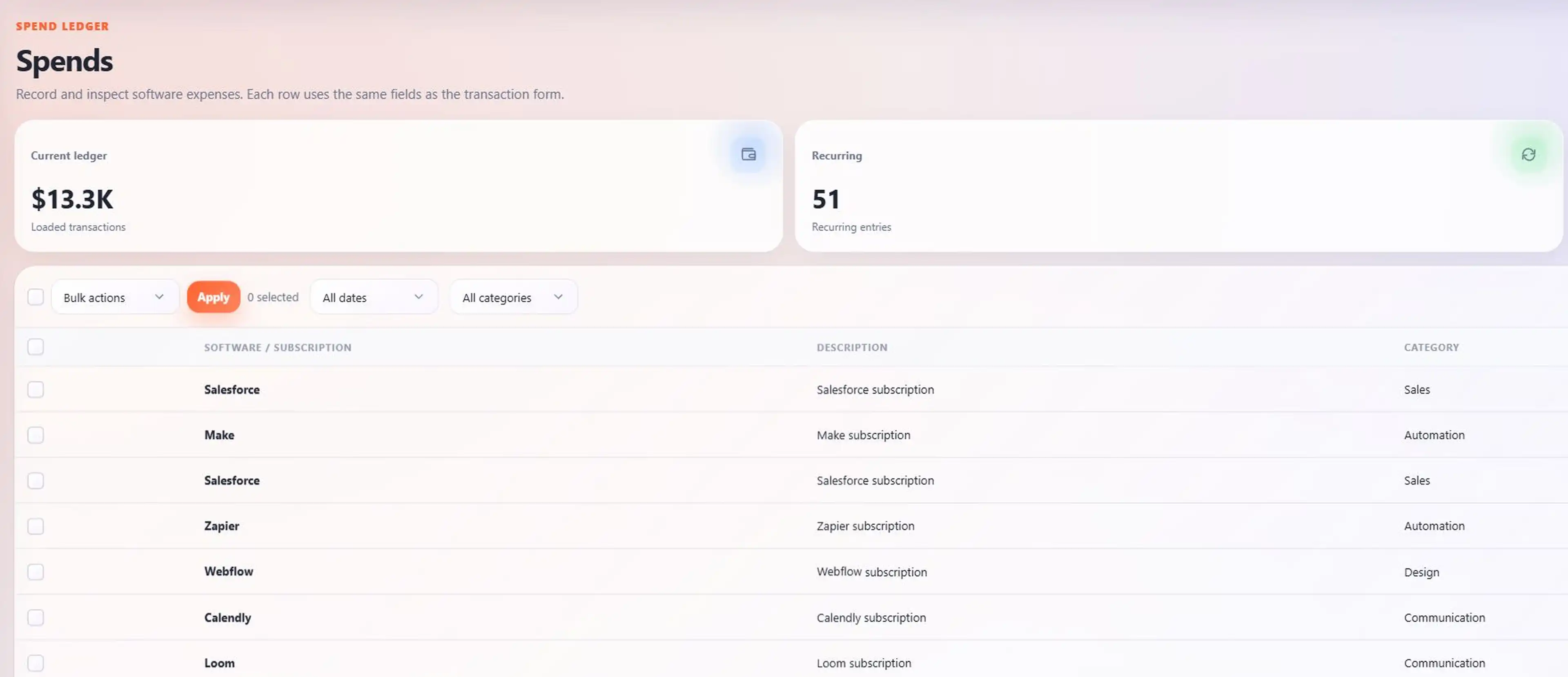
Check recorded amounts, cadence and agreement terms. Separate annual payments from recurring monthly charges and investigate unexpected differences. Use Spends to inspect transaction context, keeping original evidence available. Correcting an inaccurate record improves your analysis even when it does not produce a monetary saving.
A practical review checklist
- Confirm the charge before proposing a cut.
- Check work that relies on the service and agreement terms.
- check the cost change after an approved action.
Review service fit: methods four to six
### 4. Examine overlapping tools Ask whether similar subscriptions serve the same work or genuinely different requirements. Two design tools may be needed for different deliverables. Compare the daily work use case, contractual agreed purchase and migration effort before consolidation. Include affected teams rather than deciding from category labels alone.
5. Check purchased seats or service limits
Compare licences or allowances with current assignments and relevant usage information. Confirm whether unused seats or service limits can actually be removed under the agreement. A gap suggests investigation; it does not establish a refund or an immediate reduction. Keep recorded usage distinct from automatically collected supplier data.
6. Recheck services after team changes
When a project ends or a department changes, review its subscriptions and infrastructure. Some services may remain necessary for retained records or other teams. Use the application inventory to keep ownership and purpose, then make any approved change after checking those work that relies on it.
Improve purchase timing: methods seven and eight
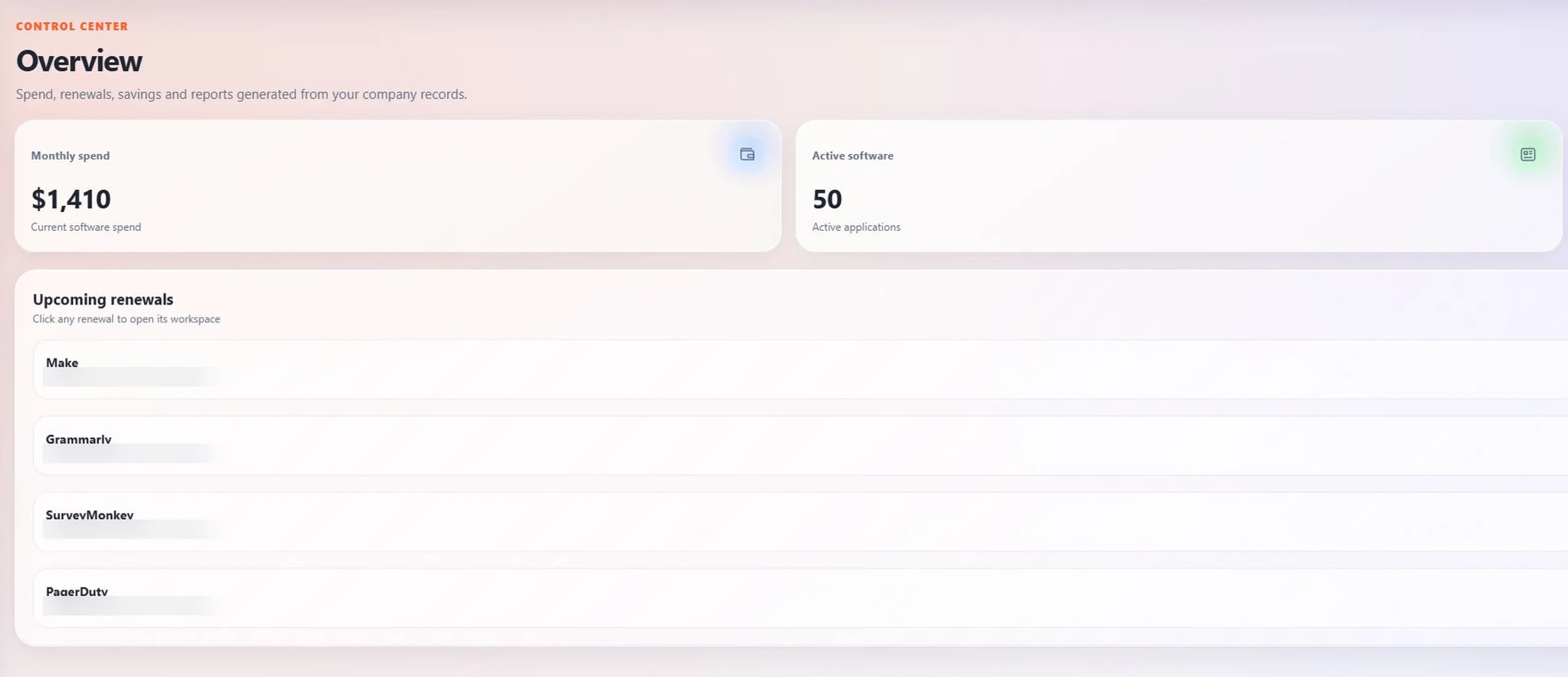
### 7. Prepare renewal reviews earlier Find the cancellation notice deadline as well as the renewal date. Assign a decision owner and allow time for terms to be checked. A review scheduled after the notice window may identify a good opportunity that cannot be acted on immediately. Record that limitation instead of calling it a completed saving.
8. Review pricing and alternatives deliberately
Ask whether the current tier still fits the business and whether another option meets the same requirements. Compare transition costs, training, data handling and contractual timing. A lower headline price can create a higher daily work cost. Keep the reasoning with the renewal decision so the next reviewer understands the trade-off.
For both methods, prepare evidence before contacting the supplier. Identify current terms, seats or service limits and the change the business can approve. A documented request is more useful than a vague demand for a discount. Update the service record only when revised terms or a completed change are confirmed.
Prevent recurrence: methods nine and ten
### 9. Check new requests against existing services Require a clear purpose, expected users and estimated cost before purchasing another subscription. Ask whether an existing tool can meet the requirement. Requests & Approvals keeps the business reason and recorded decision together, so prevention does not depend on someone remembering the entire software service list during a conversation.
At Spends Control, we recommend giving each open task an owner and a review date. ### 10. check the outcome after a change Retain the original starting figures, agreed action and evidence of the resulting charge. Separate potential, committed and realized reductions. If a licence removal takes effect at the next renewal, do not report the full annual estimate as money already saved. Savings supports those distinct stages.
Choose a few high-confidence actions first and assign a review date. Track daily work effects as well as cost: did the change create extra work or remove needed access? A repeatable review produces more reliable results than a dramatic one-time cut. The goal is to reduce avoidable agreed purchases while keeping the services that support useful business work.
To build on this routine, read our guides to controlling business spending, common spending problems and spending warning signs. Choose the next topic that matches the problem your team needs to solve.
Frequently asked questions
Should every unused licence be cancelled immediately?
No. Check planned hires, the supplier agreement and who may need the licence soon. An unused seat is a reason to review, not an automatic reason to cancel.
How should migration effort be included?
Include staff time, training and moving data, as well as the new price. A cheaper tool may cost more to switch to than you first expect.
What if a supplier will not change the current term?
Record when the agreement can next be changed. Keep that future opportunity separate from savings already confirmed this month.
Can a useful service still be too expensive?
Yes. Check whether a cheaper plan or fewer seats would meet the same need. Usage alone does not tell you whether the price fits your budget.
How often should the ten methods be repeated?
Use a regular review and check again when teams change or renewals approach. An organized routine works better than one large cleanup followed by months of no updates.