“An organized routine puts spending within reach.” Your business may have useful tools and busy teams, yet still struggle to explain where the money goes. Buying without a clear routine makes costs harder to follow. This guide explains how to control business spending without stopping work your team needs. Start with clear records, simple limits and regular checks. When people know what to record and who makes the decision, fewer spending questions get lost between messages.
Start with a clear spending picture
Choose a review period and collect the transactions that belong to it. Keep dates, currencies and sources visible. Separate recurring subscriptions, annual payments, one-time purchases and exceptional costs. A monthly comparison becomes misleading when a large annual charge is treated as a permanent change in the regular monthly run rate.
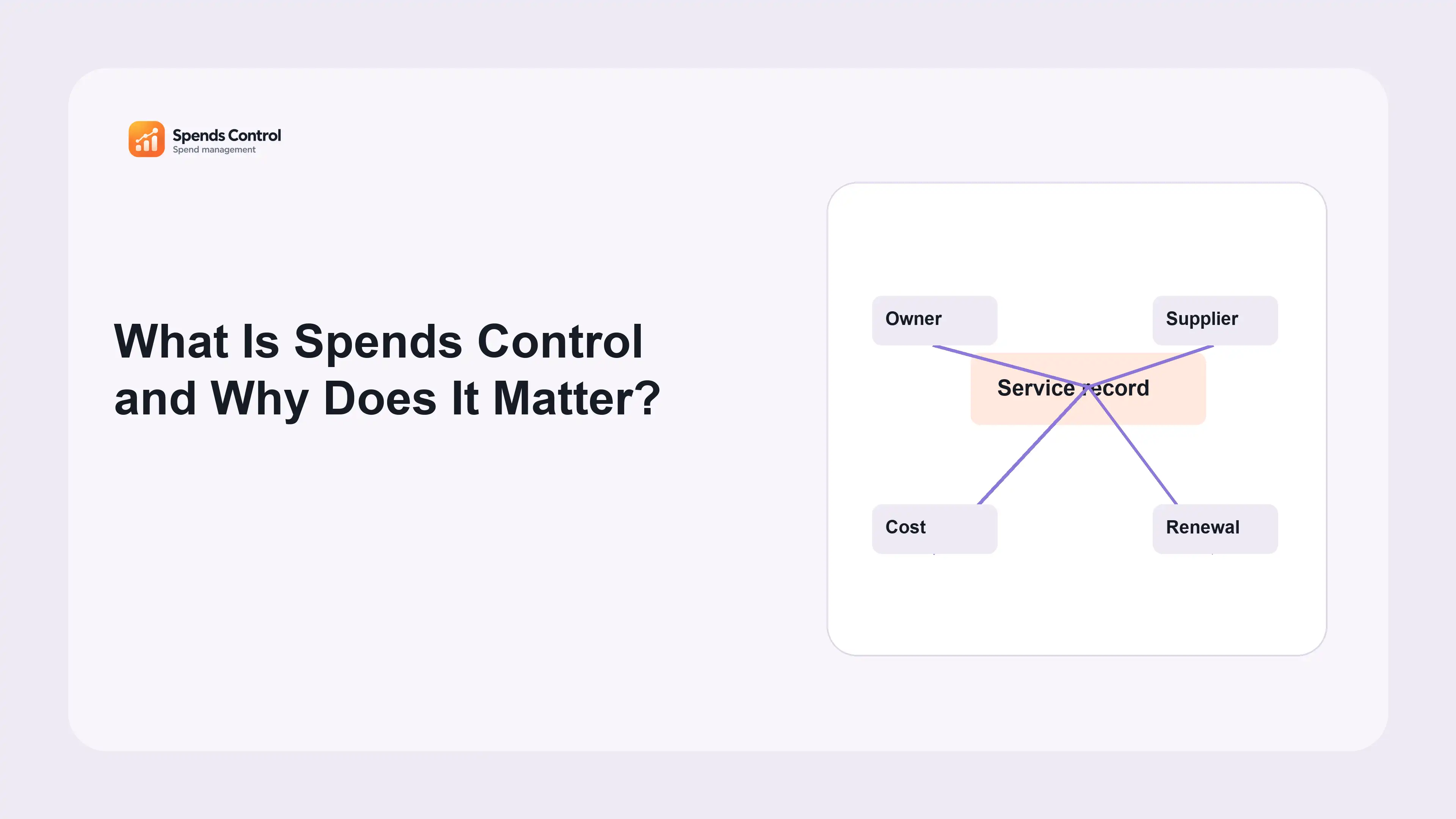
We recommend starting with clear records and a simple routine. For each large expense, identify the service, supplier, responsible owner and business purpose. Ask what evidence supports the amount and whether the record is current. Unknown charges deserve investigation; they should not be silently classified as waste. Start with the largest or least understandable items so the review produces useful decisions quickly.
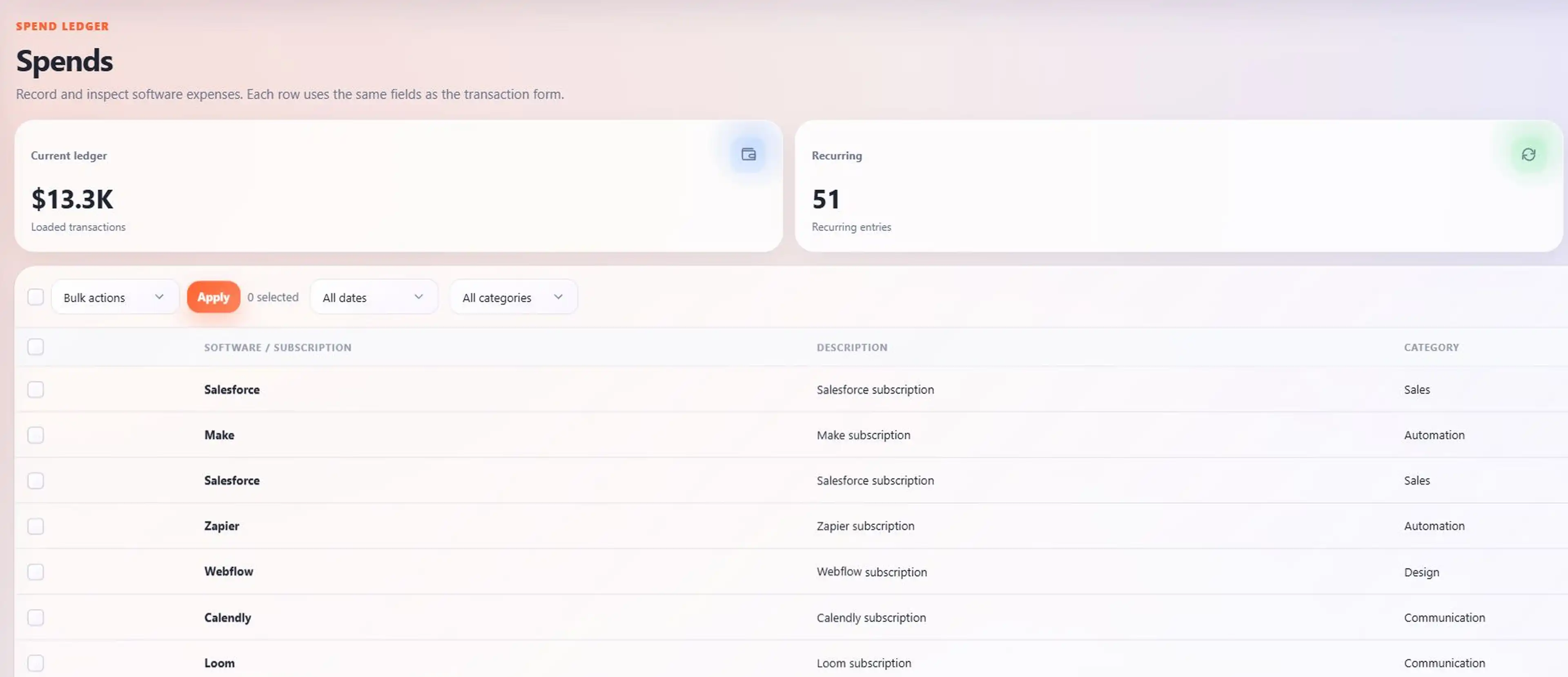
Create a small starting figures summary: what was recorded, what remains uncertain and what the business has already committed to purchase. In Spends, the transaction record gives context for a charge. Keep the source evidence alongside your review process so a colleague can check the result rather than relying on the summary alone.
A practical review checklist
- Use one review period and keep currencies visible.
- Distinguish actual costs from approved purchases.
- Assign an owner to each unresolved charge.
Turn priorities into spending boundaries
Decide which work must continue, which purchases can wait and which agreed purchases need a closer look. A limit should follow business priorities rather than a uniform percentage reduction. Cutting a low-cost service that supports essential delivery may be more disruptive than renegotiating an expensive subscription with surplus seats or service limits.
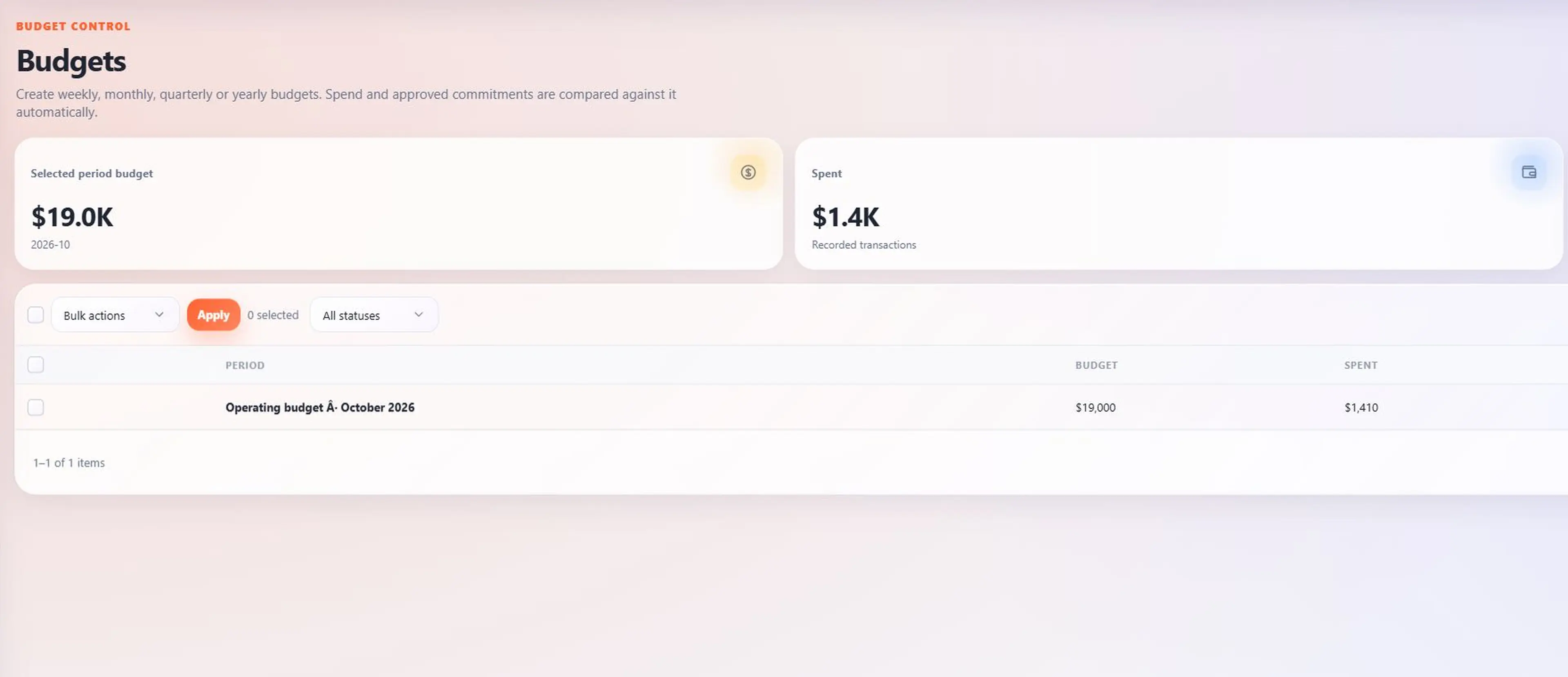
Set a period, budget amount and review responsibility. Distinguish actual recorded spending from approved purchases that have not happened yet. For example, a $5,000 budget amount, $1,410 of recorded costs and $800 of outstanding approved purchases leaves $2,790 before another request. Check that the agreed purchase and eventual transaction are linked appropriately rather than counted twice.
The Budgets workflow supports this distinction between budget amounts, spending and agreed purchases. Use its period consistently in the discussion. Explain what happens near the limit: who investigates, what information is needed and who authorizes an exception. A warning is only helpful when the team has an agreed response to it.
Review purchases before they become future costs
Require a short business case for a new tool: purpose, intended users, estimated cost, department and required date. Ask whether an existing service can meet the need and what happens if the request is delayed.
Separate information checking from final authority. A reviewer can confirm completeness and suitability without being the person allowed to approve. Keep the decision and any conditions visible to the requester. An approved proposal should still be distinguished from a completed purchase and its actual charge.
Requests & Approvals gives these details a shared record rather than leaving the request in separate messages. When a purchase goes ahead, maintain its service ownership and renewal and notice dates. That closes the gap between approval and later renewal review, when another colleague may need to understand why the tool was originally bought.
Remove avoidable costs with evidence
Look for repeated subscriptions, seats or service limits that may no longer be needed and services whose purpose has changed. Ask the service owner to confirm usage and work that relies on it. A low usage figure is a review signal, not proof that a subscription can be cancelled safely or that a refund is available.
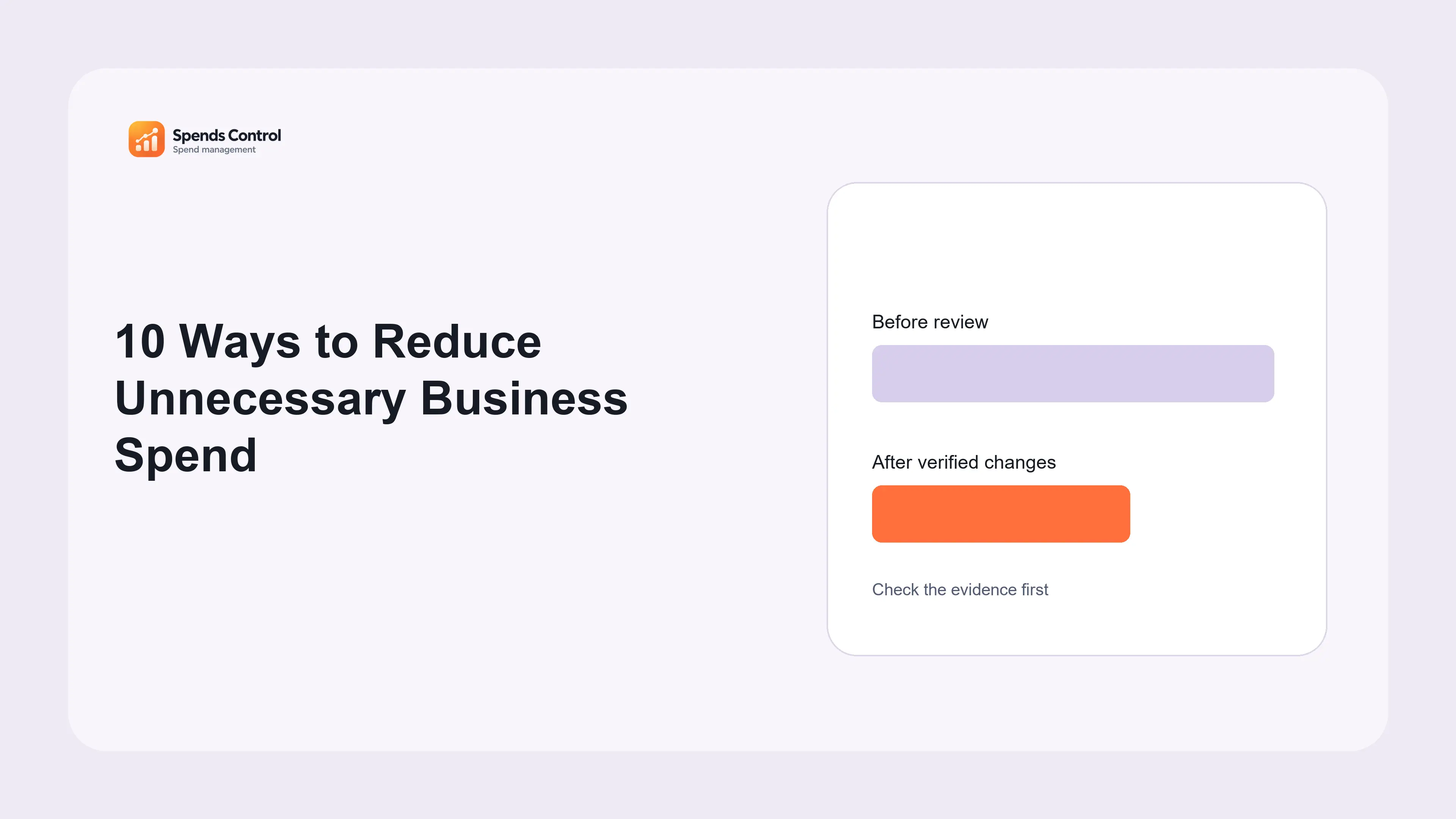
At Spends Control, we recommend giving each open task an owner and a review date. Check the agreement and notice deadline before proposing a change. Record the starting figures, approved action and expected effect. After putting it in place, check whether the cost actually changed. An intention to save money, an agreed change and a confirmed reduction are different outcomes; treating them as identical overstates progress.
Use Savings to keep those stages distinct. Review a small action list regularly rather than launching a one-time cleanup and forgetting it. If you want to put the workflow into practice, sign in to Spends Control and start with one checked service record. Keep the process useful enough that owners continue maintaining it after the first review.
To build on this routine, read our guides to company spending control, clear company spending rules and reducing avoidable costs. Choose the next topic that matches the problem your team needs to solve.
Frequently asked questions
Should a new business use the same limits as an established one?
No. A new business and a larger company have different needs. Set limits your team can afford, name the person who checks requests, and review the limits as the business grows.
How should foreign-currency costs be compared?
Keep the amount and currency shown on the bill. If you convert costs for a report, use the same method and record the exchange-rate date so people can check the figures.
What if an owner disagrees that a cost is avoidable?
Ask the owner to explain what the service supports and what would stop if it were removed. Keep that answer with the record, then let the right person decide.
Can seasonal spending be treated as overspending?
No. Busy seasons may need more spending. Compare the cost with the work you planned and explain the difference before calling it waste.
Is a spreadsheet enough to begin?
Yes, a spreadsheet can work when you have a few services and one person keeps it updated. Record each cost, owner and renewal date. When several teams need approvals and updates, an organized shared system can make those records easier to maintain.