
“Teams work better when the spending picture is shared.” Several teams may use the same service while keeping separate cost records. One team changes a subscription, another needs it, and finance hears about the change later. This guide shows how to control team spending with clear ownership and a shared routine. Organized records help teams explain what they use and what they plan to buy. You can keep local decisions practical while making the company picture easier to understand.
Establish common records across different teams
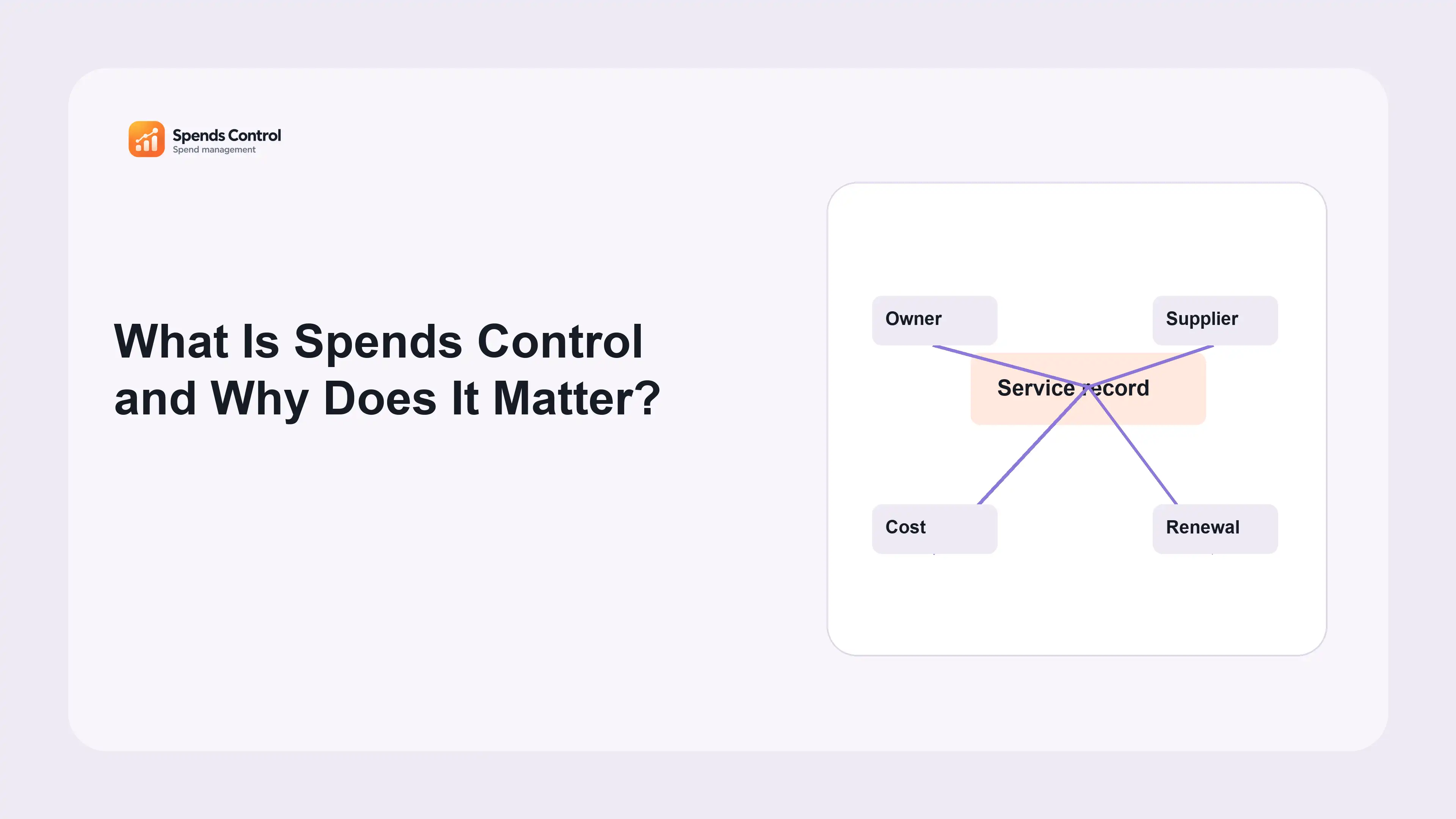
Agree the fields every team will maintain: service, supplier, business purpose, responsible owner, department, cost, currency, cadence and relevant dates. Keep the definitions consistent. An annual subscription and a monthly transaction should remain distinguishable, even if both appear in a department’s review of digital spending.
We recommend starting with clear records and a simple routine. Assign a coordinating owner for shared tools and identify participating teams. Decide how costs are held or discussed internally. If several departments use one service, do not duplicate the full agreed purchase in every team total. A budget used for management discussion should be labelled with its method rather than presented as another actual supplier charge.
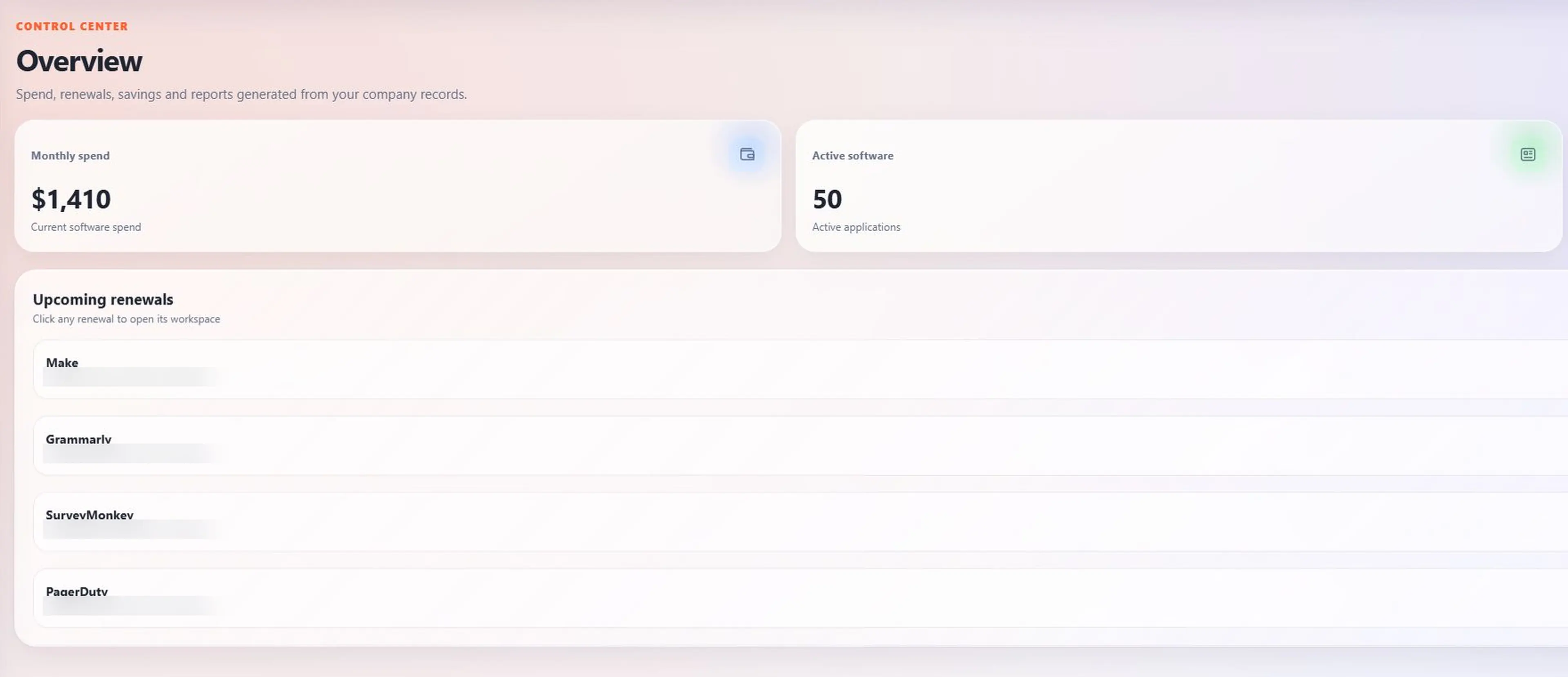
Applications and Vendors keep the daily work and purchase details behind the service. Use department and owner fields consistently, and keep unknown details visible. The goal is for two managers discussing the same tool to work from the same source, even when they have different needs and priorities.
A practical review checklist
- Use common fields and cost definitions.
- Give shared services one coordinating owner.
- Keep team budget amounts separate from supplier charges.
Separate local flexibility from shared authority
Define what managers may decide locally and what requires a broader review. A team-specific tool may have limited work that relies on it, while changing a shared platform can affect several departments. Review impact as well as price. A small cost reduction in one team should not unexpectedly remove access needed by another.
Give proposed purchases a clear record with the intended users, business reason, estimated cost and required date. Ask whether an existing shared service can meet the need. Requests & Approvals keeps the proposal and recorded decision available, avoiding a situation where one team buys a tool without knowing another already maintains suitable seats or service limits.
Keep information checking separate from final purchasing authority. Product permissions and company responsibilities must agree. Explain any additional cross-team consultation without claiming that the software automatically provides a custom approval chain. A manager’s recommendation can inform the decision while the approved approver remains accountable for it.
Review spending with agreed purchases and timing
Use a common review period so team discussions can be compared meaningfully. Identify annual payments, one-time costs and exceptional project work. A department may appear to have a sudden increase simply because an annual renewal falls in that period. The explanation matters before leadership decides whether a change is required.
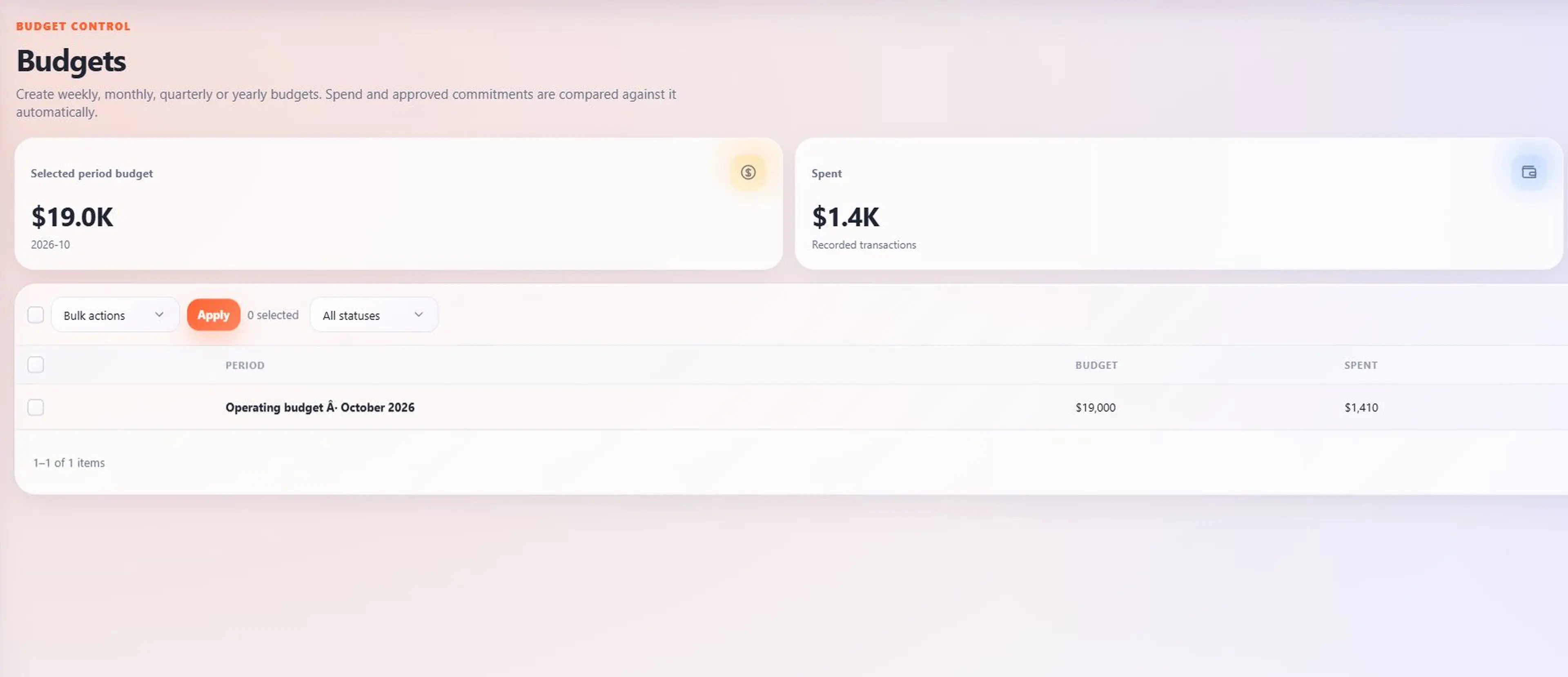
Review outstanding approved purchases alongside recorded transactions. An apparent remaining balance can already be set aside for purchases that have not yet happened. Budgets distinguishes budget amounts, spend and agreed purchases. Be explicit about any team budget amount method maintained outside that view instead of implying every department summary is calculated automatically.
For shared requests, record which team prepares the case and which colleagues must be consulted. After completing the purchase, check that the resulting service record and actual charge keep that context. This prevents the next review from reopening the question of who owns the purchase or whether its estimate should still count as an outstanding agreed purchase.
Create a review rhythm that resolves decisions
Ask each team to bring exceptions, upcoming notice windows and material changes to the review. Keep the shared meeting focused on decisions that need coordination. Managers can maintain ordinary records outside the meeting; the group should not spend its time reading the entire service list aloud or piece togethering missing basics.
At Spends Control, we recommend giving each open task an owner and a review date. When there is disagreement, state the business requirements and work that relies on it before discussing cancellation or consolidation. Record the decision, person responsible and next action. A useful outcome might be retaining a tool with clearer ownership, not reducing its cost. Control means an understandable decision as well as an affordable one.
Track handover quality, unresolved items and decisions prepared before deadlines. Team changes should trigger updates to ownership and access. The operations team workflow explains how connected service records support these responsibilities. Start with a small shared service list and expand when teams can maintain it consistently, rather than launching a company-wide list with no update discipline.
To build on this routine, read our guides to company spending control, clear company spending rules and controlling business spending. Choose the next topic that matches the problem your team needs to solve.
Frequently asked questions
How should project-based costs be reviewed?
Record the project and expected end date. When the work finishes, check whether the team still needs the service instead of leaving it active by default.
What if teams have different review calendars?
Agree one period for the company review. Teams can keep their own routines, but explain any timing differences when sharing the totals.
Can one shared tool have several administrators?
Yes. Several people can manage access, but name one person to coordinate the service record and prepare the next purchasing decision.
What if a department disputes a cost budget?
Check the agreed way of sharing the cost and how the teams use the service. Keep that discussion separate from the amount actually charged by the supplier.
Should the central team approve everything?
No. Central coordination means shared rules and clear records. Routine team work should not need extra approval unless the company rules require it.