A supplier bill looks right, gets paid, and only months later does someone notice the amount was wrong, the goods were short or the price had quietly changed. Small errors survive because nobody compared the bill with anything. This article explains three-way matching in plain language: the three documents involved, how the check runs, what counts as a match and how even subscription billing, which has no delivery note, can borrow a lighter version of the same discipline.
Key Points
- Match the order, the delivery record and the bill.
- Small differences get explained, never waved through silently.
- The check takes minutes when records sit together.
- Subscriptions use a lighter version against the contract.
- Keep the matched evidence filed with the payment record.
The Billing Errors Nobody Notices
Billing errors are usually small and boring. A quantity typed one digit too high, a unit price from the wrong tier, a delivery billed twice under two invoice numbers, a discount agreed by phone and never applied. Each error is minor enough to pass a casual glance, and casual glances are what most bills get. Across a year of invoices, these small leaks add up to real money that buys nothing at all.
The errors persist because paying is easier than checking. The bill arrives with a due date, the team is busy, and the amount looks plausible. Plausible is the problem: a wrong bill rarely looks wrong. Matching exists to replace the glance with a comparison. Instead of asking whether the bill seems right, the checker asks whether three independent records agree. When they do, payment is safe. When they do not, the difference gets explained before money moves, not chased after it. Agreement is a stronger test than plausibility, and it takes only minutes.
The Three Documents Explained
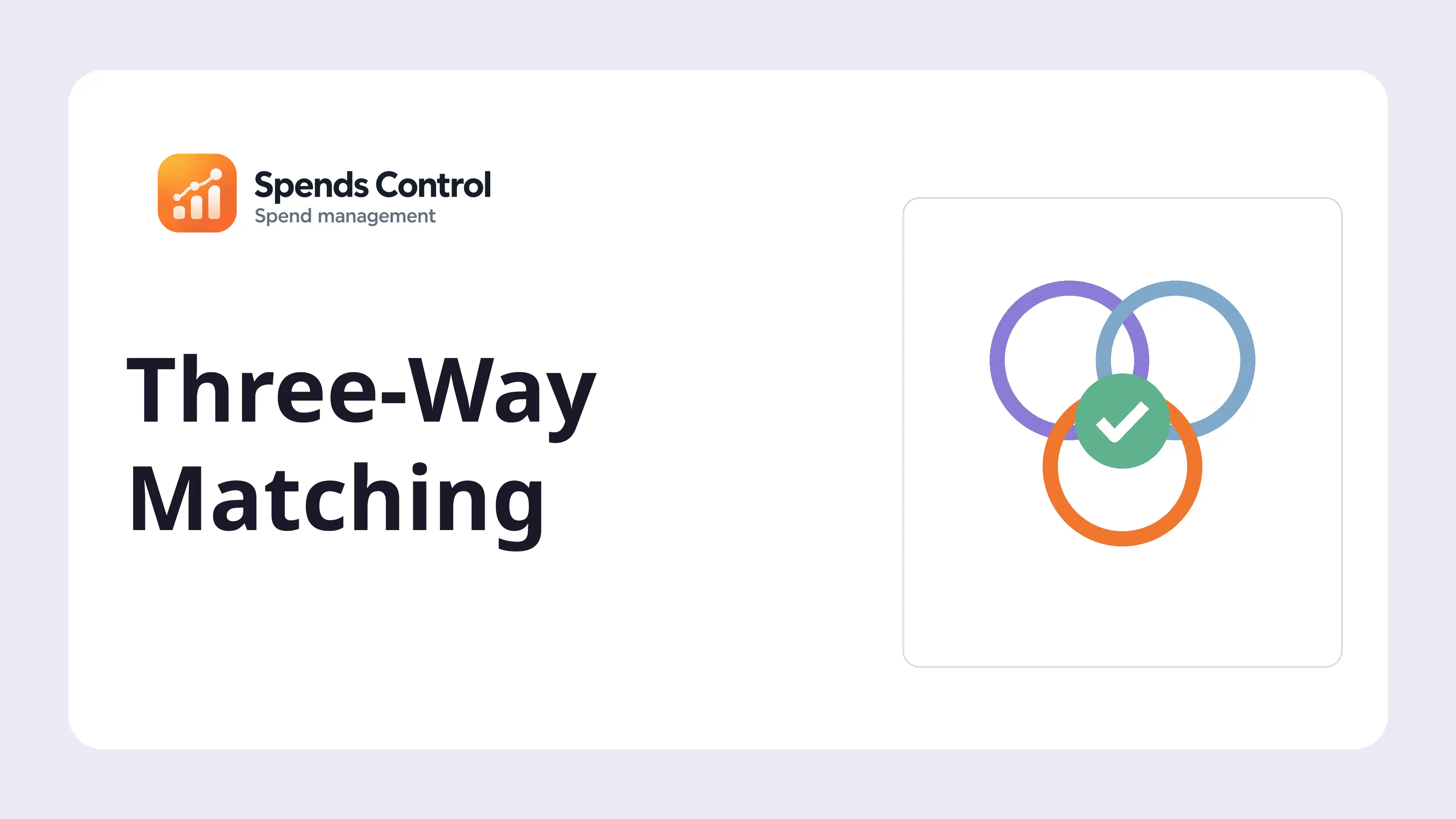
The first document is the purchase order or order record: what the business asked for, in what quantity, at what agreed price. The second is the delivery or receipt record: what actually arrived, or which services were actually performed, and when. The third is the supplier's bill: what the supplier now wants paid. Each document comes from a different moment and, ideally, a different hand, which is exactly why comparing them catches mistakes that one document alone would hide.
Small teams sometimes feel they lack these documents, but usually they exist in plain forms. The order is the approved request or the confirmation email. The receipt is the delivery note, the timesheet or the completion message. The bill is the invoice itself. Formality matters less than independence: the person who ordered should not be the only source for what arrived. Where the flow begins, the purchase requisition process that starts the paper trail shows how a clear request makes the later match almost automatic.
How The Check Works Step By Step
The checker lays the three documents side by side and compares the same fields on each: supplier, items, quantities, unit prices and totals. Start with identity: is this bill from the supplier the order named, for the work the order describes? Then quantities: does the billed amount match what the receipt says arrived? Then price: does the unit price match the agreed figure, and does the total follow from the two? Finally tax and fees, where stray charges like to hide.
Most matches complete in minutes and the bill passes to approval with the check noted on its record. The habit matters more than the ceremony. A consistent order of fields stops tired eyes skipping the one line that changed. Some teams note the match with initials and a date, which sounds old fashioned until a dispute arrives months later and that small note settles who checked what, and when, without a single argument.
What Counts As A Match
A match means the three documents agree on everything material: the same goods or services, the same quantities and the same price the order promised. Tiny rounding differences on tax lines are the usual exception, and teams often set a small tolerance for them in advance. Agreed extras also match when they are documented: a delivery fee written into the order, or extra hours the receipt confirms and the requester approved. The test is never sameness at any cost, but agreement that can be explained.
What does not count is equally clear. A bill for more units than arrived is not a match, even if the supplier is trusted. A higher unit price is not a match because the total still looks reasonable. A bill with no order behind it cannot match at all, which is itself a finding: either the order record is missing or the purchase bypassed the routine. Writing down what counts, before disputes happen, keeps the check consistent across people and across busy weeks.
Handle Mismatches Without Drama
A mismatch is a question, not an accusation. Most turn out to be supplier clerical errors, timing differences or genuine extras somebody forgot to document. The routine is simple: hold the payment, write down the exact difference, and ask the supplier to explain or correct it. Pay the undisputed part if the terms allow, so good faith stays visible. Keep the exchange on the bill's record, so the resolution sits with the evidence instead of in someone's inbox. Most suppliers would rather correct a bill than lose a customer over it.
Escalation stays proportionate. A corrected bill that matches closes the matter completely, with no grudge kept. Repeated mismatches from one supplier tell a different story and belong in the wider picture that the quarterly supplier totals review builds over time. Patterns, not single slips, should drive decisions about keeping a supplier. This calm approach protects the relationship and the money at once: suppliers learn that bills are checked, and honest mistakes get fixed without theatre from either side.
Subscriptions Need A Lighter Version
Subscriptions produce no delivery note, so the classic trio needs adapting rather than abandoning. The order becomes the contract or plan record: tier, seat count, billing period and agreed price. The receipt becomes evidence of what was actually provided: active seats, the tier in force and the period served. The bill is the renewal or monthly invoice. Matching these three catches the classic subscription errors: seats billed above the roster, a tier upgraded silently, a renewal priced above the agreed rise.
The check fits naturally at renewal time and whenever an invoice looks off. A named owner for each subscription compares the charge against the register entry, where the agreed terms already sit. Because the facts live in one record, the lighter match takes minutes, and it plugs directly into the approval step described in the invoice approval workflow from receipt to sign off. The principle survives the adaptation: never pay a figure that has not been compared with the agreement and with reality.
Keep The Evidence With The Record
A match that nobody can find later might as well not have happened. File the three documents, or links to them, with the payment record itself: the order, the receipt, the bill, the checker's note and the resolution of any mismatch. When a supplier disputes a payment, when an auditor samples a transaction or when a new finance hire retraces a decision, the whole story opens in one place. Evidence kept together also ends internal debates quickly and politely.
Storage can stay simple. One folder per supplier, or attachments on the register entry, both work if the habit is consistent. What fails is scattering: the order in email, the receipt on paper and the bill in a downloads folder. Spends Control keeps the vendor and contract record, the approval trail and the key dates in one workspace, so the agreement side of the match is always at hand when a bill needs checking against it.
When To Skip The Full Check
Proportionality keeps the habit alive. A tiny, regular bill from a stable supplier does not need the full ceremony every month: a lighter glance at amount and period may be enough, with a full match done at renewal or when the amount changes. New suppliers, first bills, large amounts and anything unusual deserve the complete check without exception. The rule of thumb: the bigger, newer or stranger the bill, the fuller the match it earns.
Skipping should be a stated policy, not drift. Write down which categories get the light touch and review that list when suppliers or amounts change. The danger is the slow slide where every bill becomes an exception and the check quietly dies. A quarterly sample, where someone re-matches a few paid bills after the fact, keeps the system honest and shows whether the light touch is still safe. Treat the quarterly sample as non negotiable, even in the busiest month of the year. Control that fits the workload survives; control that ignores it gets bypassed.
Final Verdict
Three-way matching is a small habit with an outsized effect: compare the order, the receipt and the bill before paying, explain every difference and file the evidence with the record. Adapted lightly, the same check protects subscription spending against seat and tier errors. Applied in proportion to size and risk, it catches the quiet billing mistakes that casual approval waves through, month after month.
The check scales with the bill in front of you. Large, new or unusual charges earn the full comparison, steady small ones earn the lighter glance, and subscriptions earn the adapted version against the contract. What never changes is the principle: a figure gets compared with the agreement and with reality before it gets paid. Minutes of checking protect hours of chasing later.
Frequently Asked Questions
What Is Three-Way Matching?
It is the check performed before paying a supplier bill, comparing three documents: the order, the delivery or receipt record and the bill itself. If all three agree on items, quantities and price, the bill is safe to approve. If they differ, the difference gets explained or corrected first. The habit catches billing errors that a quick glance at the invoice alone would miss.
Which Three Documents Get Matched?
The purchase order or order record, which states what was asked for at what price; the delivery or receipt record, which states what actually arrived or was performed; and the supplier's invoice, which states what is being charged. In small teams these may be an approved request, a delivery note or timesheet and the bill. Their forms matter less than their independence.
What Happens When The Amounts Differ?
Payment pauses while the difference is written down and the supplier is asked to explain or correct it. Most mismatches are clerical errors, timing gaps or genuine extras that need documenting. The undisputed part can often be paid on time. Once a corrected bill matches the order and the receipt, the matter closes, and the exchange stays filed with the record as evidence.
Do Small Purchases Need Three-Way Matching?
Not always in full. A sensible policy gives tiny, regular bills from stable suppliers a lighter check of amount and period, with a full match at renewal or whenever the figure changes. New suppliers, first bills, large amounts and unusual charges always earn the complete check. The rule is proportionality: effort follows size, novelty and risk, never habit or hurry.
How Does Matching Work For Subscriptions?
The contract or plan record stands in for the order, showing tier, seats, period and agreed price. Evidence of active seats and the tier actually in force stands in for the receipt. The renewal invoice is the bill. Comparing the three catches seats billed above the roster, silent tier upgrades and rises beyond the agreed terms, the errors subscription billing produces most.