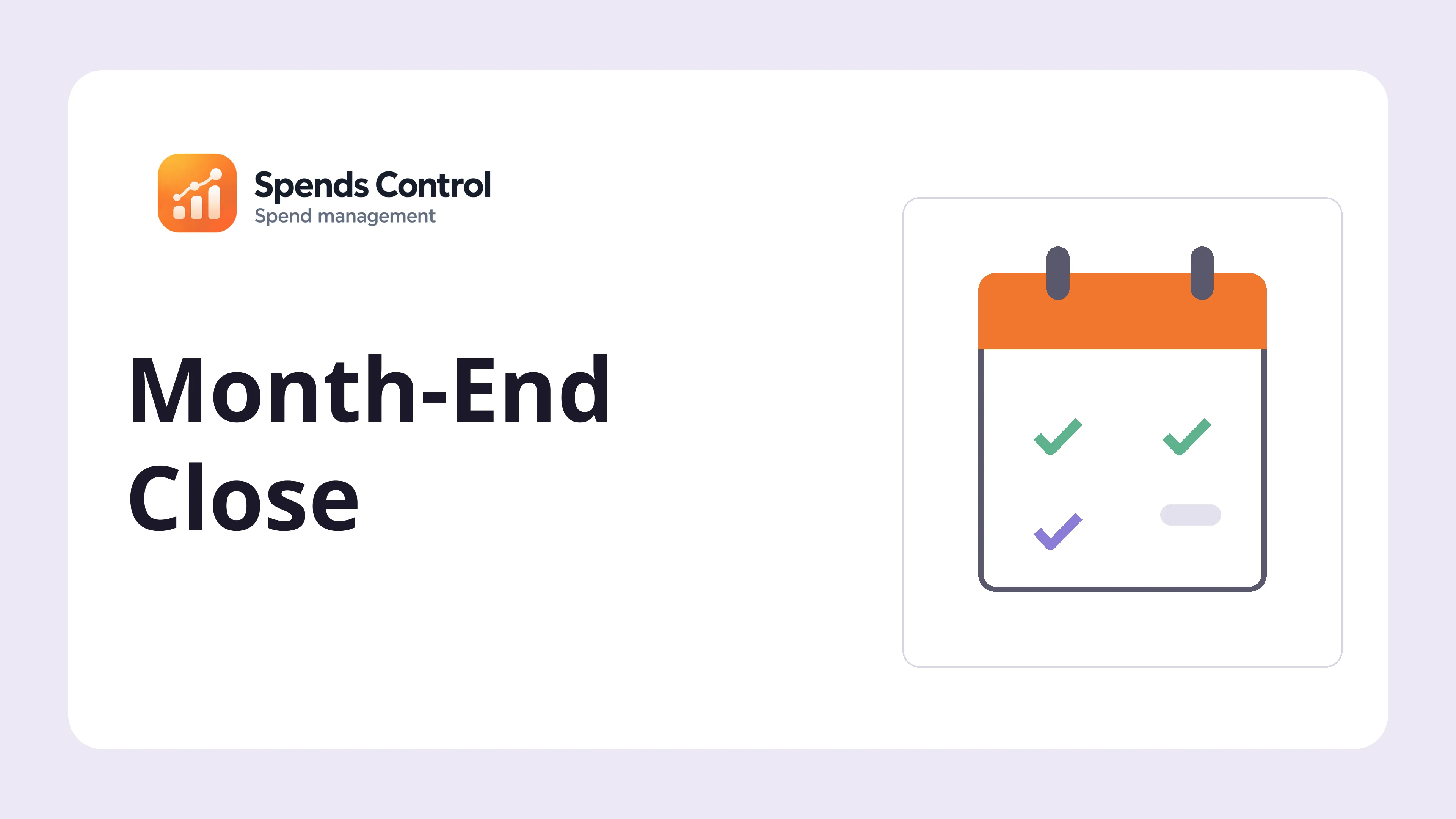
Month-end close drags when the spend records behind it stay messy all month. A charge lands without a record, a renewal changes price quietly, an approval sits in a chat thread, and the close becomes detective work. This checklist flips the order. It keeps every new cost, renewal, approval and budget line clean inside one register as the month runs, so closing becomes a short review of records that already agree with each other.
Key Points
- Record every new cost on the day it starts
- Update renewals and price changes when they happen
- Keep approvals complete, recorded and easy to find
- Read budgets against commitments, not just payments
- File contracts and invoices together, every time
Why Close Drags When Records Are Messy
Close is a review task that turns into a rescue mission when records scatter. The card statement says one thing, the spreadsheet says another, and the truth sits in an email thread from three weeks ago. Finance staff spend the first days of the month hunting instead of checking. Each missing record creates a question, each question waits on a busy owner, and the close stretches while the new month already demands attention and decisions from the same tired people.
The drag has a pattern. Costs enter the business through many doors: a card, a purchase request, a renewal, a contract signed by email. When each door keeps its own paperwork, month end inherits every gap at once. The fix is not a harder working close. The fix is a calmer month, where each cost lands in one shared register on the day it starts, and close simply reads what the register already holds, line by line, without drama. The month stops being a story that everyone retells from memory.
Check One Every New Cost Has A Record
Walk the charges from the month and ask one question of each: does a record exist with an owner, an amount and a category. New tools bought mid month cause the most gaps, because the buyer celebrates the purchase and forgets the paperwork. Pair every approval with a register entry created the same day. When buying and recording share one motion, the register stops leaking, and the close stops finding strangers on the statement at the worst possible moment. A late record still helps, but a timely one prevents the question.
Give this check a fixed place in the week rather than the month. A short Friday pass over new charges catches gaps while memories stay warm and receipts still sit in inboxes. Owners confirm their own lines with one glance. By the time close arrives, the new cost check becomes a formality, a quick scan of a list that the team already trusts because it was built in small, regular steps instead of one heroic effort at the end.
Check Two Renewals And Price Changes Are Updated
Renewals change records in three ways: the date moves, the price moves or the plan changes shape. Each change belongs in the register the day it is agreed, not the day the invoice lands. A price rise discovered at close looks like an error and eats hours. The same rise, recorded when the supplier announced it, reads as a simple fact that the budget already absorbed weeks earlier, with no meeting and no blame attached to anyone. Owners stop dreading the supplier emails that announce a higher price.
Once a quarter, run a fuller subscription audit across the register to catch records that drifted slowly: seats added one by one, a trial that became a plan, a tool whose owner left. Slow drift defeats monthly checks because each single step looks harmless. The audit resets the register to the truth, so the months that follow close against records that describe the business as it is, not as it was when someone last tidied up.
Check Three Approvals Are Complete For The Month
Every cost that needed approval should show its decision. Gaps here hurt twice: the record looks unauthorised, and the approver cannot remember a conversation from weeks back. Close the month with a simple sweep of requests still marked open, and chase each one to a yes or a no. A request left hanging is not a neutral item. It is next month's argument, arriving early, without its context and without a fair chance of a calm answer. The cost itself may be small, yet the doubt it creates spreads across the whole close.
Approvals stay complete when the request route stays single and visible. Requests hidden in chat threads and side emails escape every sweep. One route, with the decision recorded beside the cost, means the close team reads answers instead of reconstructing them. Spends Control keeps purchase requests and their approval decisions on record in the same workspace as the register, so the sweep at close becomes a filter, not a search party through old inboxes.
Check Four Budgets Read Against Commitments
A budget checked only against payments always looks healthier than it is. Commitments already made, renewals already agreed, purchases approved but not yet charged: these belong in the reading too. Compare each department budget with spend plus commitments, and the picture turns honest. A team can sit inside its budget today and still be over it by the twentieth, because the money was promised long before it left the account on a quiet Tuesday. Promises, not payments, decide whether a budget survives the month.
This reading fits naturally inside the monthly budget review, held a few days before close rather than after it. Owners explain their own variances while they can still act on them: pause a purchase, move a renewal conversation forward, or accept the overrun with open eyes. Close then inherits a month whose story is already told, and the finance team only confirms numbers instead of interrogating them in a long week of questions.
Check Five Contracts And Invoices Are Filed Together
A charge without its contract invites the same questions every month: who agreed this, on what terms, with which notice period. File each contract beside the invoices it produces, in the same record, so the answer sits one click from the question. When the renewal argument starts, the terms are present. When finance queries a price, the agreed figure is present. Togetherness sounds trivial, yet it removes the most repeated hunt in the whole close, month after month.
Filing together also protects the business outside close. Notice periods decide whether a renewal can still be stopped, and agreed values decide whether an invoice is even correct. Records that pair the promise with the payment give owners leverage in every supplier conversation. The habit takes a minute at signing time and saves an hour at close time, which makes it the cheapest discipline on this entire checklist and the easiest one to teach a new joiner. Two people checking the same pair of documents will always agree.
Close The Month On The Register
With the five checks done, close becomes a reading exercise. Export or review the register for the month, confirm totals against statements, and mark the month closed with its exceptions written down. Exceptions matter: a late approval, a price under query, a record awaiting its owner. Written exceptions carry into next month as tasks instead of surprises, and the close gains a memory that the old scramble never had at any point in the year. The next close starts from knowledge instead of from suspicion.
Keep the closed month frozen. Corrections after close belong in the new month with a note, so reports stay stable and audits stay simple. Spends Control holds the register, the budgets and the approval records in one workspace, on web and mobile, which keeps the frozen month readable for anyone with permission. Plans start at $9 a month after a seven day free trial, with no card needed to start reviewing your own records.
What A Clean Close Feels Like By Day Three
A clean close feels quiet. By day three, the numbers are out, the exceptions are listed and owners have seen their own lines. Nobody dreads the first week of the month, and finance answers questions from records instead of from memory. The same discipline scales upward: the habits that close a month cleanly feed a quarterly spend review that judges the whole estate without fresh detective work or late nights at the office every quarter.
The feeling matters as much as the speed. Teams trust numbers they watched being built, and they argue less about lines they approved themselves. A register kept clean in small weekly steps turns close from a monthly verdict into a monthly confirmation. Start with one check, run it for a month, and add the next. Within a quarter, day three will feel less like a deadline and more like a receipt for good habits. That feeling spreads, and soon the whole company plans around records it trusts.
Final Verdict
Month-end close speeds up when the month itself stays tidy. Five checks, new costs recorded, renewals updated, approvals complete, budgets read against commitments and contracts filed with invoices, remove almost every hunt that slows the close today. None of them needs a bigger team or a longer month. Each one moves a small piece of work from the chaos of close week into the calm of the week where the cost actually happened.
Pick the check that matches your worst pain and run it for one full month before adding another. Discipline compounds quietly. By the second month the register will feel different under your hands, and by day three of the close you will know the work is done when the questions stop coming, because the records answered them first.
Frequently Asked Questions
What Is Month-End Close?
Month-end close is the process that finalises a month's financial records: checking charges, matching them to records and budgets, confirming approvals and reporting the totals. For spend, close depends on the quality of the records built during the month. Clean registers close in days. Messy ones turn close into a hunt for owners, receipts and explanations that should have been captured when each cost began.
Which Spend Records Does Close Need?
Close needs a record for every cost: what it is, who owns it, how much it charges and when, plus the approval behind it and the contract where one exists. Renewal dates and notice periods matter too, because they explain future charges. When each record carries those fields from the start, close becomes a comparison exercise instead of a reconstruction project that nobody enjoys.
How Does A Register Speed Up Close?
A register speeds up close by answering questions before they get asked. Each charge on a statement matches a record with an owner, an amount and an approval, so finance checks instead of hunts. Price changes and renewals already sit in the record, which removes the surprise queries that eat the first days of the month and delay every report that follows them.
Who Owns The Spend Side Of Close?
Finance owns the close itself, yet the spend records belong to the owners of each cost. The person who bought or renewed a tool confirms its record, price and dates, while finance confirms the totals and the budgets. Sharing the work this way keeps close fast and fair: nobody reconstructs another person's purchase, and nobody signs off a line they cannot explain to the team.
What Should Be Fixed Before Next Month?
Fix the pattern behind this month's exceptions, not just the exceptions themselves. If approvals lagged, shorten the request route. If renewals surprised, move their review dates earlier. If records went missing, pair buying with recording on the same day. One fix per month, held properly, turns close into a routine within a quarter and keeps it there through busy seasons.